

Blog
Are Artificial Flower Bouquets Worth It? UK Guide 2026

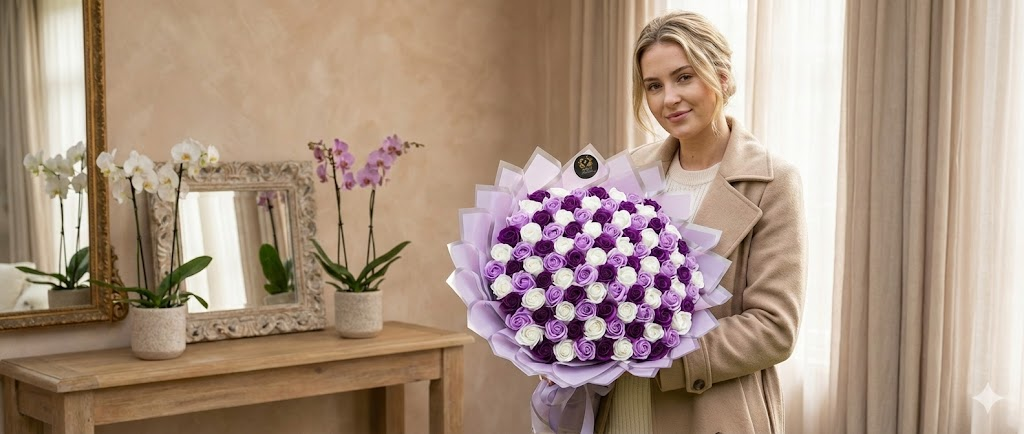
Fresh flowers are lovely. But they rarely last past a week. UK shoppers spend £25 to £60 on a bouquet that starts to wilt within days. That’s why more buyers ask a simple question. Are artificial flower bouquets worth the money? This guide checks the real cost, the main materials, soap roses, and silicone glitter roses. Use it to make your own call.
Are Artificial Flower Bouquets Worth It?
Yes. For most buyers, artificial flower bouquets are worth it. You get colour that lasts, with no repeat spending. A good bouquet can sit on a shelf for years. It still looks the way it did on day one. That changes the maths compared with flowers you swap out every couple of weeks.
Fresh flowers usually peak for five to ten days. That’s true even with fresh water and regular trims. Artificial bouquets can cost a bit more upfront. But you’re not buying a new one every fortnight. Over a year or two, that gap closes fast. Hand-made soap rose and silicone rose designs hold their shape for years, not months. If you love the scent and the ritual of fresh blooms, nothing fully replaces that. But for colour that lasts, with almost no upkeep, artificial bouquets make real sense.
What Are Artificial Flower Bouquets Made Of?
Not every artificial bouquet is made the same way. The material used changes how real it looks. It also changes how it feels, how long it lasts, and what it costs. Here’s what you’ll find in the UK market.
- Fabric or silk flowers. Most “silk” flowers are actually polyester or blended cloth. They’re cheap to make and easy to dye. That keeps the price low. Up close, though, the petals can look flat, or show fabric texture.
- Real touch latex flowers. A thin latex or soft coating gives the petals more give. It also adds a soft, velvet feel. That extra work pushes real touch flowers toward the top of the price range. You’ll see them most in premium bouquets.
- Foam flowers. Foam holds its shape well. That suits event styling or shop displays that get a lot of use. The trade-off is realism. Foam petals can look a bit flat up close.
- Soap roses. Soap roses are made by hand from scented soap. Each petal is shaped, then layered into a full rose, such as the Eternal Ivory Luxe Box with 101 white soap roses. Keep them dry and away from water. A good soap rose bouquet stays bright and whole for years. That’s why they’ve become a top long-term gift, not just a passing trend.
- Silicone glitter roses. These use fine glitter over a tough silicone rose. The result is a bold, jewel-like shine under light. They last just as long as soap roses. They just bring a bolder, more dramatic look for a statement gift.
The gap between a cheap bouquet and a top one comes down to a few things. Petal layers, colour depth, the stems, and the finish all matter. Those small touches decide if a bouquet looks good from across the room, or looks real up close.
Artificial vs Fresh Flowers: UK Cost Breakdown
Looked at as a pure money question, the case is fairly clear.
Everyday fresh bouquets in the UK run £25 to £60. They last five to ten days before you bin them. A good artificial bouquet often costs £50 to £100. Hand-made soap rose or silicone rose designs sit closer to £80 to £180, based on rose count and finish. But that one purchase can look good for one to five years.
| Feature | Fresh Flowers | Artificial Flower Bouquets UK |
|---|---|---|
| Average price | £25 to £60 | £50 to £180 |
| Lifespan | 5 to 10 days | 1 to 5+ years |
| Upkeep | Water and trimming | None |
| Allergy friendly | No | Yes |
| Keeps as a keepsake | No | Yes |
Say you buy fresh flowers four times a year at £40 each. That’s £160 a year, or £320 over two years. Total time those flowers looked good? Under forty days. A £100 soap rose bouquet that stays nice for three years costs less per year. It also never leaves you with dead stems to bin. Over almost any span longer than a few months, artificial flowers win on cost.
Pros and Cons of Artificial Flower Bouquets
Here’s a fair look at what you gain, and what you give up.
Here are the good points.
- Last years, not days
- No water, feed, or sun needed
- Good if you have hay fever or allergies
- Easy to travel with, no mess
- Great for weddings, events, and everyday home decor
- Same look all year, whatever the season
- No wilting on the day of a big event
Here are the trade-offs.
- Costs more upfront than a bunch of shop flowers
- Cheap versions can look obviously fake
- Soap roses must stay dry, since water will melt them
- No true scent, apart from the light one built into soap roses
Quality is what decides this. A cheap bouquet looks fake from across the room. A good one is different. Whether it’s real touch latex, silicone glitter, or hand-made soap roses, it’s hard to spot next to fresh flowers.
Soap Roses and Silicone Glitter Roses: Are They Worth Buying?
Soap roses and silicone glitter roses are two of the most asked-for gifts in the UK. Each earns that spot in its own way.
A soap rose bouquet gives you the shape and feel of a fresh rose. It also adds a light scent that most fabric or foam flowers can’t match. There’s one rule to know. Keep it away from water and direct sun. Do that, and it holds its shape and colour for years, not the few months a lower-quality fake bouquet might last. Popular designs range from deep tones, like the Azure Devotion bouquet in blue, to bold reds such as the Crimson Butterfly Romance bouquet. Silicone glitter roses take a different path. Fine glitter sits over a tough silicone rose. That gives a bolder, brighter look for big gifts and big days.
| Factor | Soap Roses | Silicone Glitter Roses | Fabric or Latex Flowers |
|---|---|---|---|
| Typical lifespan | 1 to 3+ years, kept dry | 1 to 5+ years | 6 months to 2 years |
| Look and feel | Real looking, lightly scented | Bold, shiny finish | Ranges from flat to real touch |
| Best for | Romantic gifts, keepsakes | Statement gifts, big days | Everyday home decor |
| Care needed | Keep dry, dust gently | Dust gently, no water needed | Occasional dusting |
Want a gift with real impact? Think birthdays, anniversaries, or Valentine’s Day. Soap roses and silicone glitter roses both give strong value for the price. Hand-made designs from a trusted maker, such as Aromatic Bouquets, are built to last. Picking a trusted maker matters more than the material itself.
Do Artificial Flower Bouquets Look Real?
Yes. A well made artificial bouquet can be hard to tell apart from fresh flowers. That’s true from a normal viewing spot. Quality is what sets a good bouquet apart from an obvious fake. It’s not the fact that it’s artificial in the first place.
Top options now use natural colour shifts, veined petals, bendy wired stems, and textured leaves. These small touches close the gap with fresh flowers. Hand-made soap roses go a step further. Each petal is shaped by hand, not stamped from one mould. That’s why no two roses in a bouquet look quite the same. Cheap versions are easy to spot. Look for flat, plain colours, shiny plastic, or visible glue and seams. Before you buy, check real customer photos. Don’t just trust the stock images.
Which Type of Artificial Bouquet Should You Choose
Your pick comes down to what the bouquet is for. Fabric or real touch flowers work well for everyday home decor. They suit a spot you want to leave alone for years. Foam bouquets suit events and displays that see heavy use. Soap roses and silicone glitter roses are the strongest pick when the bouquet itself is the gift. The hand-made detail and finish carry real value for birthdays, anniversaries, and romantic days. They also suit busy offices and hay fever sufferers who still want fresh looking flowers on a desk, which is why corporate flower gifts built from soap roses have become popular for reception areas and client gifting.
Aromatic Bouquets makes both soap rose bouquets and silicone glitter rose bouquets by hand. Browse the full range in the shop, pick a ready made design for a birthday, an anniversary, or a gift for your girlfriend, or browse luxury gift bouquets for something more statement. Prefer to choose your own colours? Build one with the custom bouquet service instead.
Conclusion
For most UK buyers, a well made artificial flower bouquet is worth the money. Fresh flowers still win on true scent and short-term charm. But soap roses, silicone glitter roses, and good fabric or real touch designs all give years of use. No upkeep. Real gifting value from one single buy.
Buying for a birthday or anniversary? Or just want colour that lasts? A hand-made design from a trusted maker is the safe bet. It still looks good long after fresh flowers would be in the bin. Browse the full range to see soap rose and silicone glitter rose designs built to last, or check our flower gift ideas guide for more inspiration by occasion.
FAQs
Are artificial flower bouquets cheaper than fresh flowers?
Not upfront, but often cheaper over time. Artificial bouquets cost £50 to £180. Fresh flowers cost £25 to £60 each time you buy them. One artificial buy can replace years of repeat buying. That makes the long-term cost lower for most buyers.
How long do soap rose bouquets last?
A soap rose bouquet often lasts one to three years, or longer, if it stays dry. Keep it away from water, direct sun, and damp rooms. The petals will hold their shape and colour well past that point.
Do soap roses look real?
Yes. Hand-made soap roses closely match fresh roses in shape, layers, and colour. Each petal is shaped by hand, not stamped from a mould. That gives the finished bouquet small, natural touches that cheap fake flowers tend to lack.
What is the difference between soap roses and silk flowers?
Soap roses are made from scented soap and carry a light, true scent. Silk flowers are made from polyester cloth with no scent at all. Soap roses suit gifts and romantic days. Fabric or real touch silk flowers suit home decor that never needs care around damp or water.
Can I get artificial flower bouquets delivered UK-wide?
Yes. Most UK artificial flower shops, including Aromatic Bouquets, deliver across the UK. Delivery times vary by shop. Check dispatch times if you’re ordering for a set date, such as a birthday or anniversary.