
Blog
Happy Birthday Bouquet Ideas UK: What to Send, What to Avoid, and How to Make Sure It Arrives Right

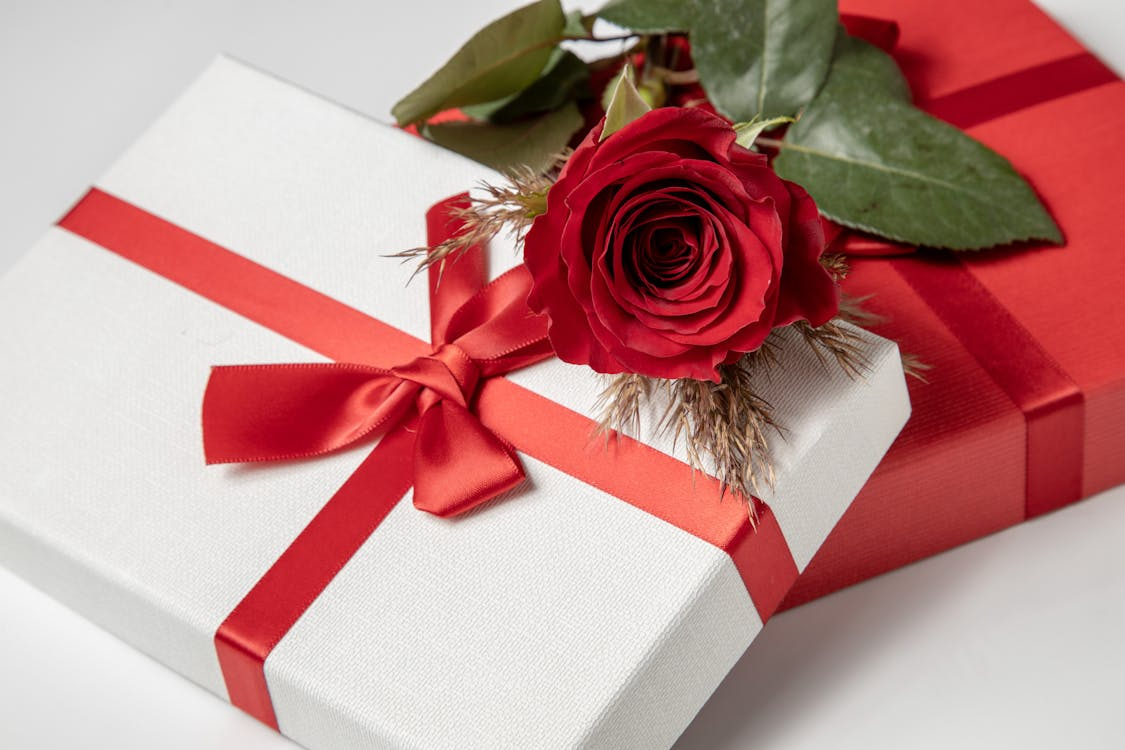
Over a quarter of British adults say they want to receive flowers as a birthday gift, yet most bouquets are forgotten by the following weekend. The gap isn’t budget. It’s that the flowers were chosen for how they look rather than for what they say. Happy birthday bouquet ideas are easy to find online. What’s harder to find is an honest account of which flowers work for which person, what signals a bouquet sends depending on who you are to the recipient, and what the typical guides quietly skip over: the flowers that carry the wrong connotation in the UK, the ones that are a hazard in a house with cats, and why two bouquets of the same species can perform completely differently in the vase. By the end of this guide, you’ll be able to choose something that lands and order it with confidence.
What a Birthday Bouquet Is Actually Communicating (Most People Don’t Think About This)
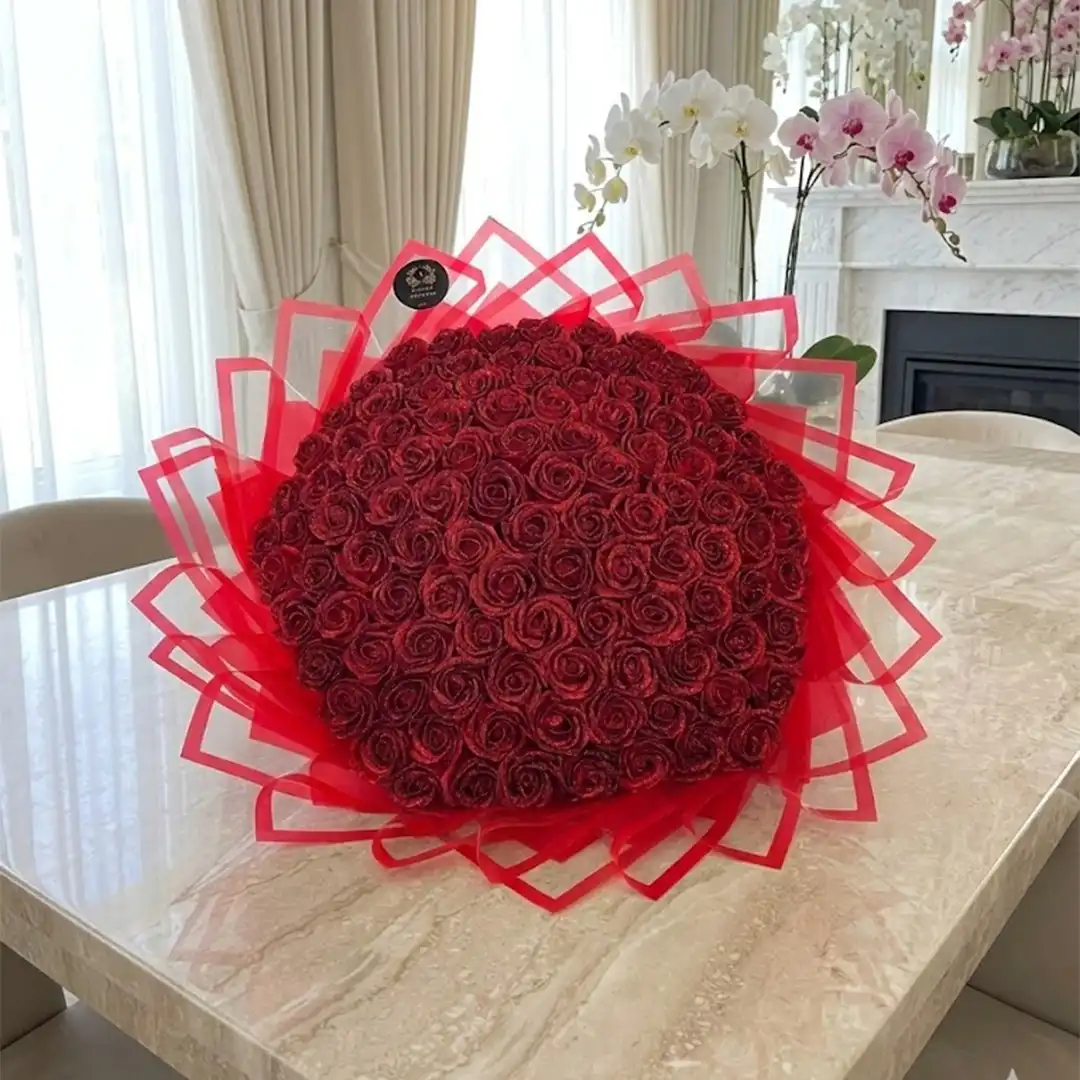
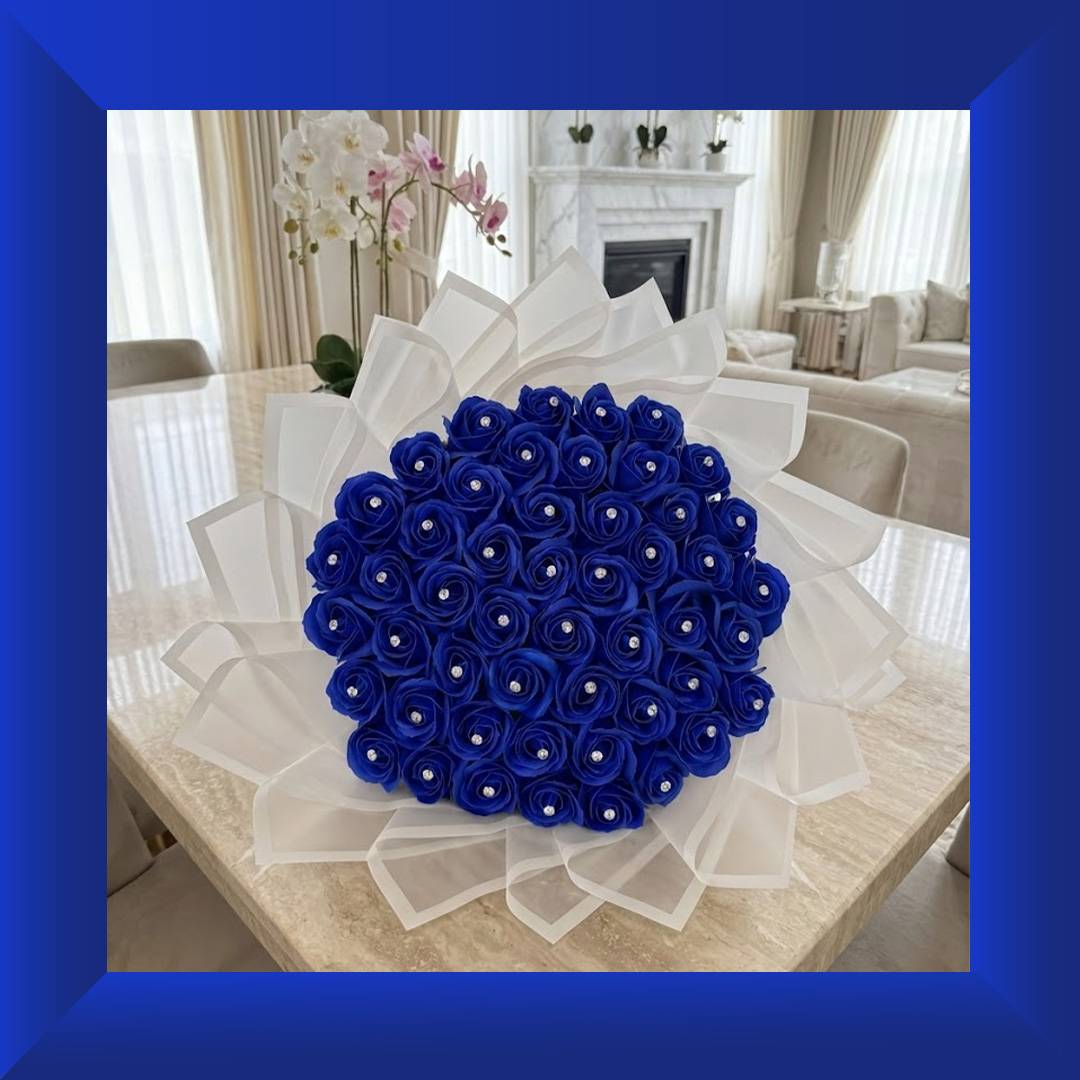
A birthday bouquet is not primarily an aesthetic object. It’s a social message, and the species and colour of flowers you choose transmit something specific even if you didn’t intend it. The person receiving them won’t consciously decode it, but they’ll feel it. Roses feel intimate. Sunflowers feel warm and uncomplicated. White lilies, in a UK context, quietly signal sympathy.
This matters more than most flower guides acknowledge, because the relationship you have with the recipient changes which flowers are appropriate. Red roses sent to a close partner are an unambiguous celebration. Red roses sent to a female colleague read as potentially romantic, which in a workplace context is uncomfortable for everyone. Bright mixed gerberas sent to a colleague are cheerful and appropriate. Sent to a partner, they might read as not particularly thoughtful.
The three dimensions that actually govern the decision are: the relationship (romantic, family, friendship, professional), the personality of the recipient (maximalist or restrained, colour-forward or neutral), and the occasion’s emotional weight (light and celebratory, or a milestone that deserves something more considered). Most people use only one of these three. Running all three at once is what makes a birthday bouquet actually memorable.
Bouquet happy birthday flowers aren’t a decoration; they’re a statement. The question worth spending 60 seconds on is: what, specifically, do you want that statement to be?
The Decision Most Birthday Bouquet Buyers Get Wrong
The most common mistake is choosing flowers based on price and visual impact alone, then ordering them as close to the birthday as possible. Both of those decisions work against you.
On price: a single beautifully chosen stem in a hand-tied, well-wrapped arrangement from a skilled florist will outlast and outperform a large budget bunch from a warehouse operation. I’ve seen a £25 hand-tied bouquet from a local florist still looking beautiful eight days after delivery. I’ve also seen a £45 “luxury” arrangement from a national postbox service wilt by day three. The difference is almost entirely in how long the flowers spent in cold storage before they reached the recipient.
On timing: flowers delivered in tight bud are a continuing gift. The recipient gets several days of watching the bouquet bloom and open; each day feels slightly different. Flowers delivered already open or partially wilted give the same experience as a gift that’s already half-used. The rule is to order from a service that sources from UK or Dutch growers and minimises warehouse time, even if it means paying slightly more.
The specific scenario this creates: someone orders birthday bouquets delivered the next day on the morning of the birthday, from a service they found by searching quickly. The flowers arrive that afternoon, already partially open, and last for four days. The person who ordered them feels they did the right thing. They did, but a named-day order placed three days earlier would have produced noticeably better flowers for the same price, because the florist could have chosen stems at the right stage.
How to Choose: A Framework for Every Relationship Type
Rather than starting with which flowers look nicest, start with relationship and personality, then layer in season and occasion. The table below does most of the work.
| Who They Are | Bouquet Direction | Best Choices | Key Tradeoff |
| Romantic partner | Intimate, deliberate, visually considered | Garden roses, ranunculus, peonies, lisianthus | Red roses are safe, but expected mixed garden roses feel more considered |
| Close female friend | Celebratory, colourful, personality-specific | Sunflowers, sweet peas, gerberas, tulips, wildflower-style mixes | Avoid all-red roses, read as romantic rather than celebratory between friends |
| Mother or grandmother | Classic, fragrant, slightly elevated | Lilies (non-white), carnations, classic roses, freesias | White lilies carry a sympathy association in the UK use oriental or stargazer instead |
| Sister | Fun, personal, colour-forward | Bright mixed bouquets, dahlias, tulips, ranunculus | Avoid overly formal arrangements they can feel impersonal |
| Female colleague | Cheerful but clearly professional | Bright seasonal mix, gerberas, tulips, sunflowers | No red roses, nothing with strong romantic symbolism |
| Male friend or partner | Bold, structured, minimal fillers | Tropical stems, sunflowers, orchids, architectural arrangements | Many men appreciate flowers but don’t want them to look “feminine” ask your florist for structured, graphic arrangements |
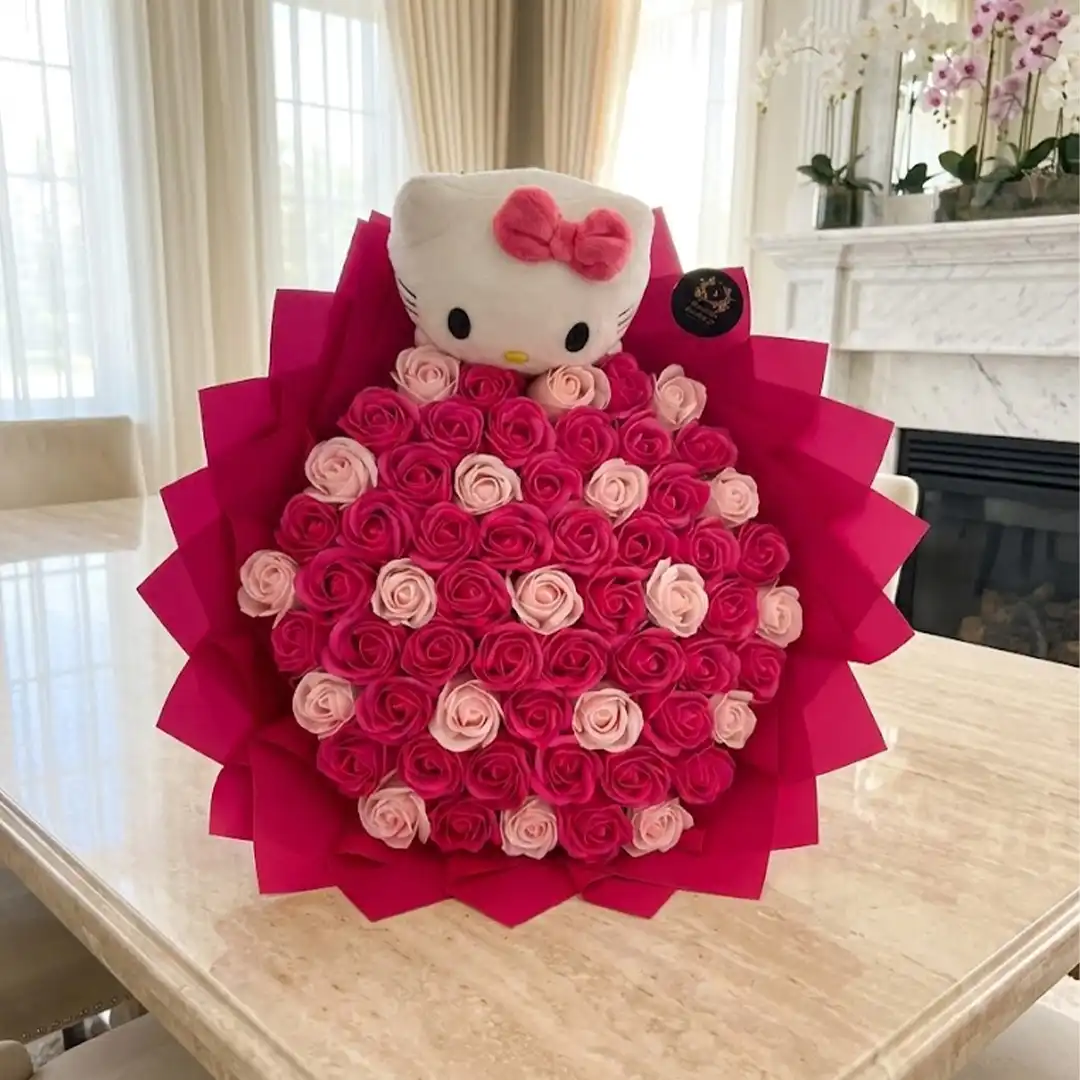
| Child’s birthday | Playful, colourful, tactile | Bright gerberas, sunflowers, daisies avoid anything with strong fragrance | Skip delicate blooms that shed pollen easily |
The most useful thing this table reveals: the mistake of treating “bouquet choice” as a single category. It isn’t. Occasion, relationship, and personality each narrow the field. When all three align, you end up with something that feels genuinely personal.
What Changes Depending on Context
Season, pet ownership, and delivery location each shift the decision meaningfully.
Season: UK florists broadly source from Dutch growers year-round, so most flowers are available in any month. But seasonal blooms are fresher, cheaper, and often more beautiful at peak. Spring birthdays suit tulips, peonies (late spring), sweet peas, and ranunculus. Summer is the strongest season for British-grown flowers, roses, dahlias, sweet peas, and lavender. Autumn opens up chrysanthemums, asters, and richly coloured dahlias. Winter calls for carnations, amaryllis, and hellebores, which have an unfairly overlooked beauty.
Pet safety: This is the gap almost every birthday flower guide skips. Lilies all varieties, including Oriental, Stargazer, and Tiger are fatally toxic to cats. Even licking pollen from fur after brushing against a stem can cause acute kidney failure. If the recipient has cats, avoid lilies entirely. Gypsophila (the white filler fern in most supermarket bunches) is also mildly toxic to both cats and dogs. Pet-safe alternatives for the same aesthetic role include wax flower and statice. Sunflowers, roses, and orchids are generally considered safe. If uncertain, tell the florist the household has cats any good one will substitute automatically.
Delivery area: Same-day birthday bouquets delivered in London benefit from the widest florist coverage and latest cut-off times (some services accept orders until 6 pm). Outside London, rural postcodes may have limited same-day options; next-day named delivery from a national service is more reliable. Always enter the delivery postcode before committing to a service.
Common Mistakes and Their Real Consequences
Choosing white lilies for a UK birthday: In many European countries, white lilies are associated with funerals and sympathy. The association is strong enough in the UK that an all-white lily arrangement is likely to read as awkward at best. Mixed arrangements with one or two lily stems are less problematic, but for a birthday celebration, it’s a risk not worth taking. Oriental or Stargazer lilies in pink or orange read as celebratory; all-white does not.
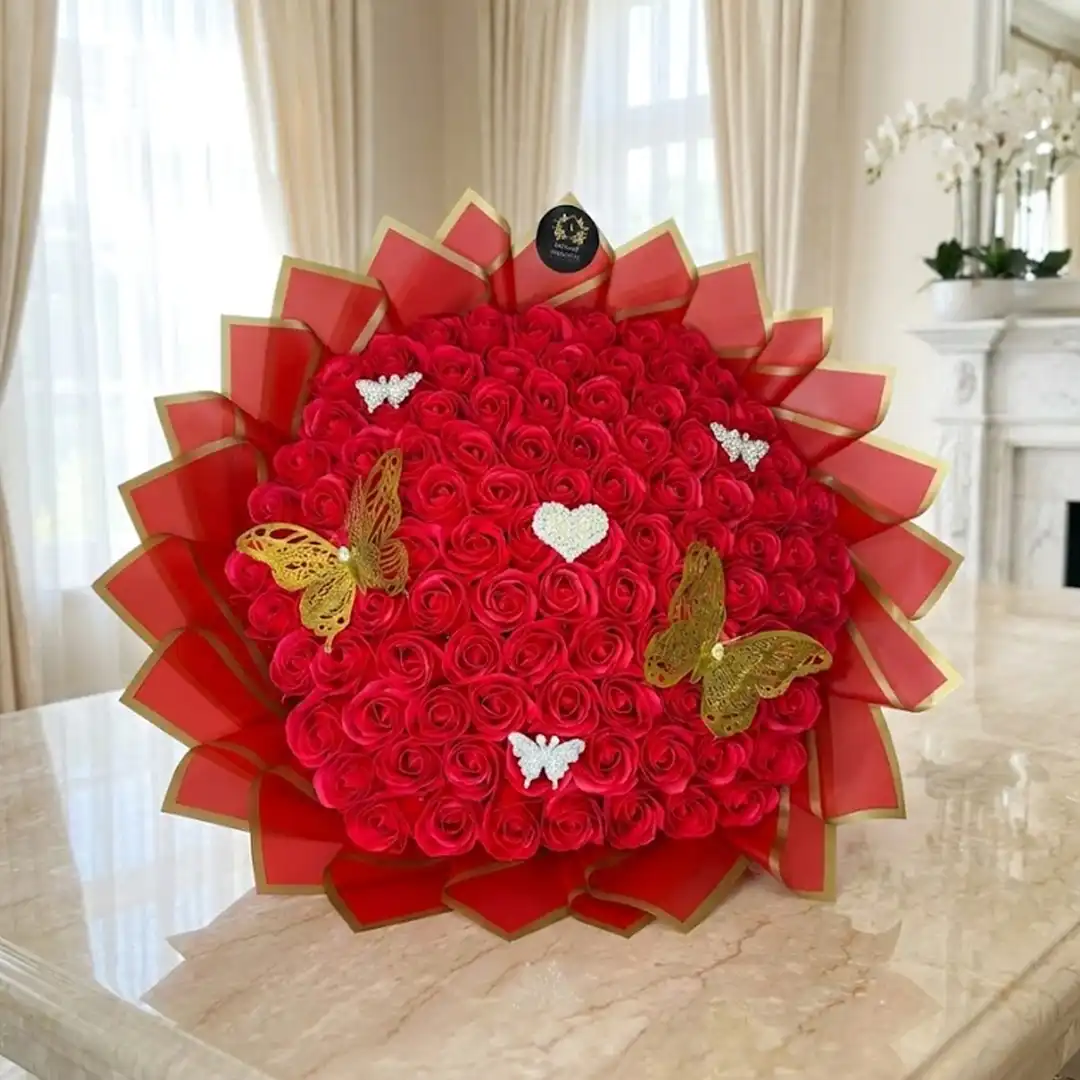
Sending pure red roses outside a romantic relationship: This is the most socially miscalibrated birthday mistake. Red roses signal romantic love very clearly in UK culture. Sending them to a female friend, sister, or colleague creates a moment of confusion that neither person enjoys. The fix is simple: mixed or blush roses, or a different species entirely.
Ordering from the cheapest available service without reading the sourcing method: Flowers that have spent a week in a refrigerated warehouse before dispatch will have substantially shorter vase life regardless of how they look on arrival. The saving on delivery cost is real; the experience it produces is not worth it.
Forgetting the card: The message card is not supplementary. It’s often the part that gets kept. A short, specific note even a single sentence that references something real about the person transforms a gift from pleasant to genuinely personal.
Ignoring fragrance: Flowers engage more than sight. Freesias, sweet peas, hyacinths, and David Austin roses all carry a beautiful scent. An arrangement that fills a room with fragrance on day one, then continues for several days, is a richer experience than a visually identical arrangement that smells of nothing.
The Signal Map: A Framework No Other Guide Uses
Most birthday flower guides treat the choice as aesthetic. This one treats it as social. Every flower sends a signal and the signal shifts based on relationship context. Here’s the map that actually helps.
Colour as the fastest signal: Yellow says friendship, warmth, and uncomplicated affection — the single safest colour to send to a friend, regardless of species. Yellow roses, sunflowers, and freesias all carry this well. Pink says gratitude and gentle affection are appropriate across almost any relationship, which is why pink peonies and pink roses are the most universally received birthday colours. Red says romantic love unambiguously uses it deliberately. White says elegance and new beginnings a sophisticated choice for milestone birthdays (30th, 50th, 60th), but requires steering clear of all-white lily arrangements specifically.
Species signals to understand: Sunflowers are socially readable as joyful and unpretentious they cannot easily be misread, which makes them among the most reliable birthday choices across any relationship. Orchids signal luxury and restraint appropriate for someone whose taste runs formal or minimal, but potentially cold for someone who prefers warmth. Wildflower-style mixed bouquets (sweet peas, cornflowers, lavender, ranunculus) signal thoughtfulness and personality-matching; they say “I chose these for you specifically” more effectively than any single-species arrangement.
Understanding why you’re choosing each element not just what looks good in the thumbnail, is the difference between a bouquet that makes someone feel genuinely seen and one that just looks like you made an effort.
From the Field: The Honest Answer on Birthday Flowers
Here’s something worth knowing: the best birthday bouquet you can send is one that arrives in tight bud, from a florist who sourced the stems within the previous 48 hours. The species matters less than the sourcing chain. I’ve watched people agonise over whether to send roses or peonies, then order both from a national service that dispatches from a central warehouse and the flowers last five days regardless of what they chose.
The tradeoff most guides don’t mention is between convenience and quality. Same-day delivery through a local independent florist almost always outperforms next-day delivery from a national warehouse operation, because the florist is working with fresh stems cut that morning. The bouquet may be slightly smaller for the same price. It will almost certainly last longer and look better after 48 hours. If quality matters to the recipient (and to the impression you want to make), choose local and slightly earlier over national and slightly cheaper.
One more thing: if you’re sending to someone who is hard to impress, choose fragrance over size. A modest hand-tied bunch of sweet peas or garden roses with genuine scent will be remembered far longer than a large, odourless arrangement.
Ready to Choose One That Actually Lands?
Browse our hand-tied birthday bouquets sourced fresh, arranged the morning of delivery, and available for same-day and named-day delivery across the UK. Every order includes a personalised message card. If you’re unsure, our florists are available to help you match the bouquet to the person.